Best Home Office Upgrades Under $100 for Solopreneurs
The best home office upgrades for solopreneurs at $100 or less per item — practical improvements that pay off in daily comfort and productivity.
Use the budget on the problem you notice every workday
Spend the first $100 on the problem you notice every day. Raise a low laptop screen, add light where the desk is dim, or use a hub if reconnecting peripherals wastes time. A webcam matters when calls are central to the job; it does little for someone who rarely appears on video. One targeted fix is better than several inexpensive accessories with no clear job.
Our top picks
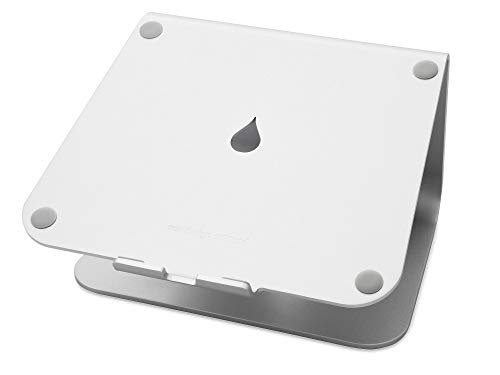
Rain Design mStand Laptop Stand
A single-piece aluminum laptop stand with a hollow base for cable management and a 15° tilt for improved typing angle.
- This is a fixed-height stand — not adjustable.
- If you share your desk or want to switch between sitting and standing frequently, an adjustable stand is a better fit.


Keychron C1 TKL Mechanical Keyboard (Red Switch, Wired)
A tenkeyless wired mechanical keyboard with hot-swappable red (linear) switches, white LED backlight, and Mac/Win compatibility.
- It's wired only (USB-C to USB-A).
- If you want wireless, Keychron's C2 is the Bluetooth equivalent.
- TKL means no number pad — confirm that's acceptable for your workflow.


Logitech C920S HD Pro Webcam
A 1080p/30fps webcam with auto light correction, a privacy shutter, and stereo microphones — the standard recommendation for professional video calls.
- On M-series Macs, test it through your video conferencing app first — some older Logitech drivers have compatibility hiccups that a firmware update resolves.
- Needs a direct USB-A port (not a hub) for reliable performance.


VIVO Dual Monitor Desk Mount (STAND-V002)
A heavy-duty steel dual monitor desk mount that holds two screens up to 30 inches and 22 lbs each, with C-clamp and grommet mounting options.
- Proven long-seller with consistent build quality.
- The heavy-duty C-clamp holds firmly without the flex that cheaper gas-spring arms exhibit over time.
- Confirm your monitors are within the weight capacity (22 lbs per arm) and that your desk edge can accommodate the C-clamp (up to 3.25 inches thick).
- VESA 75x75mm and 100x100mm adapters are included.


Anker USB-C Hub (8-in-1, 85W PD)
An 8-in-1 USB-C hub with 4K 60Hz HDMI, Gigabit ethernet, USB-C and USB-A data ports, SD/microSD card slots, and 85W power delivery passthrough.
- Verify your laptop's USB-C port supports display output and power delivery — not all USB-C ports are configured the same way.
- Apple Silicon Macs need to confirm MST support for dual display output.

Side by side
A direct comparison across the specs that actually matter for this category.
| Product | Best for | What stands out | Price |
|---|---|---|---|
| Rain Design mStand Laptop StandTop pick | Laptop-only solopreneurs whose screen sits flat on a desk, causing neck and upper back strain throughout the day. | Clean aluminum design that dissipates laptop heat; the single-piece solid construction means no assembly and no wobble. | $36–$48 |
| Keychron C1 TKL Mechanical Keyboard (Red Switch, Wired) | Solopreneurs who type a lot and want to try mechanical keyboard feel without committing to a $150+ upgrade. | Hot-swappable switches mean you can try different switch types without soldering — useful for finding your preference before committing to a more expensive board. | $45–$60 |
| Logitech C920S HD Pro Webcam | Any solopreneur who appears on video calls, records async video messages, or creates content where a quality image matters. | Plug-and-play on Mac and Windows; the C920 family has been the standard for years because it consistently delivers good color and exposure without requiring setup. | $55–$68 |
| VIVO Dual Monitor Desk Mount (STAND-V002) | Two-monitor setups on a desk where monitor risers are wasting desk space but a full studio arm is out of budget. | Proven long-seller with consistent build quality. The heavy-duty C-clamp holds firmly without the flex that cheaper gas-spring arms exhibit over time. | $30–$42 |
| Anker USB-C Hub (8-in-1, 85W PD) | Laptop solopreneurs with port-limited machines who want a single-cable desk setup without buying separate adapters for every peripheral. | 85W PD passthrough means most laptops charge at or near full speed through the hub — you don't need a separate charger at the desk if the hub is your connection point. | $35–$55 |
Price tiers, honestly explained
Common buying mistakes
Questions worth answering
What's the single best upgrade under $100 for someone working from a laptop?
An adjustable laptop stand + a separate wireless keyboard. The laptop screen sitting flat forces your neck downward — raising it to eye level is the single highest-ROI ergonomic change most people can make.
Does a mechanical keyboard actually matter for productivity?
For typing-heavy work, yes — the tactile feedback and consistent actuation reduce finger fatigue over full workdays. For primarily mouse-based work (design, data, video editing), the keyboard matters less and the mouse quality matters more.
Is a ring light worth it for occasional video calls?
If you're on camera more than 2–3 times per week for client-facing calls, a basic ring light ($30–50) meaningfully improves how you look and reduces the "dark room" effect. If calls are rare, a desk lamp works fine.
Should I buy a standing desk mat or just a standing desk?
Standing desk mats are for people who already have a standing-capable desk and want to reduce fatigue while standing. If you don't have a standing desk, a mat alone won't solve the problem — you need the desk itself. (See: our standing desk guide for full buying advice.)
Can I build a useful upgrade kit for under $200 total?
Yes — focus on: adjustable laptop stand ($40–60), wireless mechanical keyboard ($50–80), and a USB-C hub with your remaining budget. That's the core of a functional and comfortable laptop-based setup.
Rain Design mStand Laptop Stand
A single-piece aluminum laptop stand with a hollow base for cable management and a 15° tilt for improved typing angle.